2:58:44
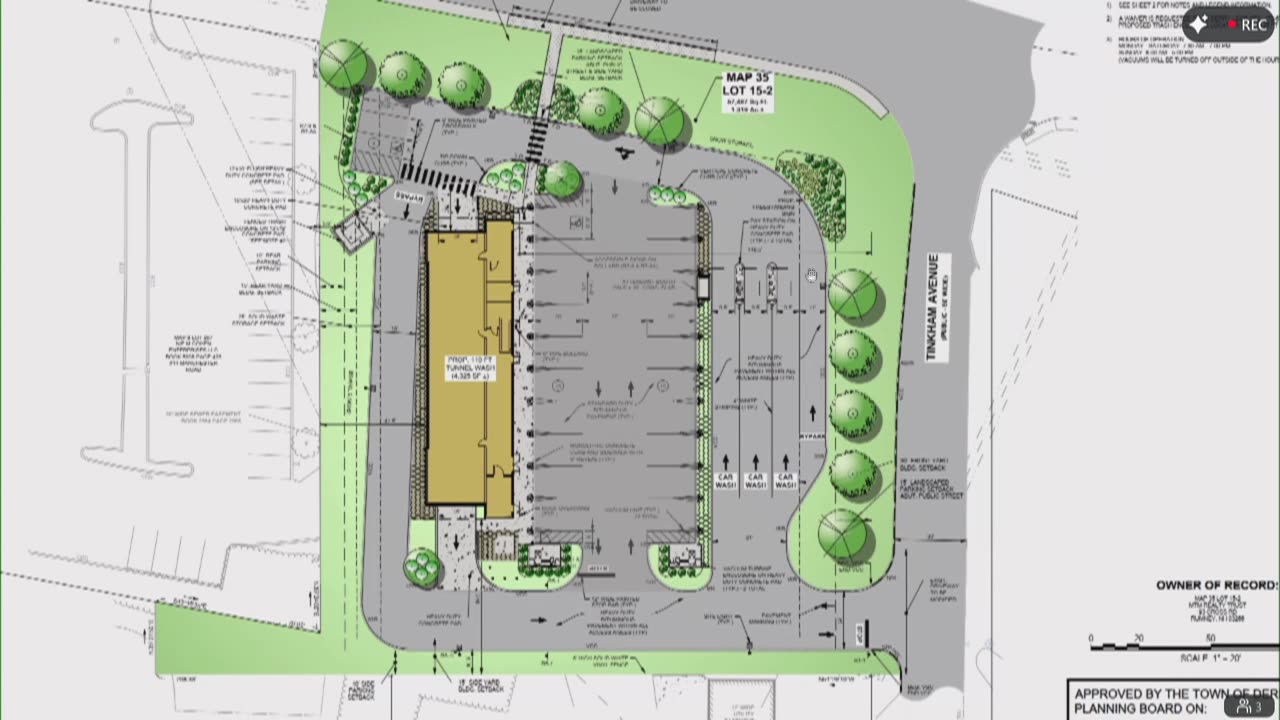
As you can see from the picture that's up on the screen right now, there is, I can't tell you, it looks like more than an acre of impervious surface that's just going to run right down into Beaver Brook and into the groundwater and into the lake.
1:35:13
Mr. Neely who has experience with Western wildfires pointed out that we're dealing with drought, insect disease, ash bore, if you've walked in some of the woods, you can see some of the damages that they bring down and these trees bring down.
1:05:25
Will those standards evolve as we continue to deal with water supply issues? Maybe we're probably not as bad as the folks out in Colorado, but it, it is a valid concern.
1:05:51
So that aims to provide additional groundwater recharge just by increasing green space areas. Everything in existing condition kind of flows in a uncontrolled manner out that, you know, that unrestricted curb cut and just goes into the right of way…
54:01
Okay, so it is wetlands. We are in a drought right now and you don't really see that if you look at it, but it has been expected for number 19, the hub, the property behind when they make their right of way, that it may even need to be a bridge on a wet y year.
18:03
They all increase by the same percentage. With regard to the impacts of the water rates as we are proposing them, you'll see that it's about a $9 and 70 cents increase on the average quarterly bill we bill every three months, the users get four bills a year.